

Start from paper text
Use abstracts, methods, results, discussion notes, or pasted paper sections.
Convert abstracts, methods, findings, and paper notes into visual figure drafts for papers, posters, lectures, and lab reports.
Drag and drop your paper, lab notes, lesson material, or document here or
Start from real research or teaching material and create visuals that are easier to explain, review, and share.
Use abstracts, methods, results, discussion notes, or pasted paper sections.
Generate methods diagrams, mechanism figures, graphical abstracts, or summary panels.
Make the same research easier to read for reviewers, students, or collaborators.
Add papers, notes, text, data, links, or a topic so Infograph.me has the scientific context.
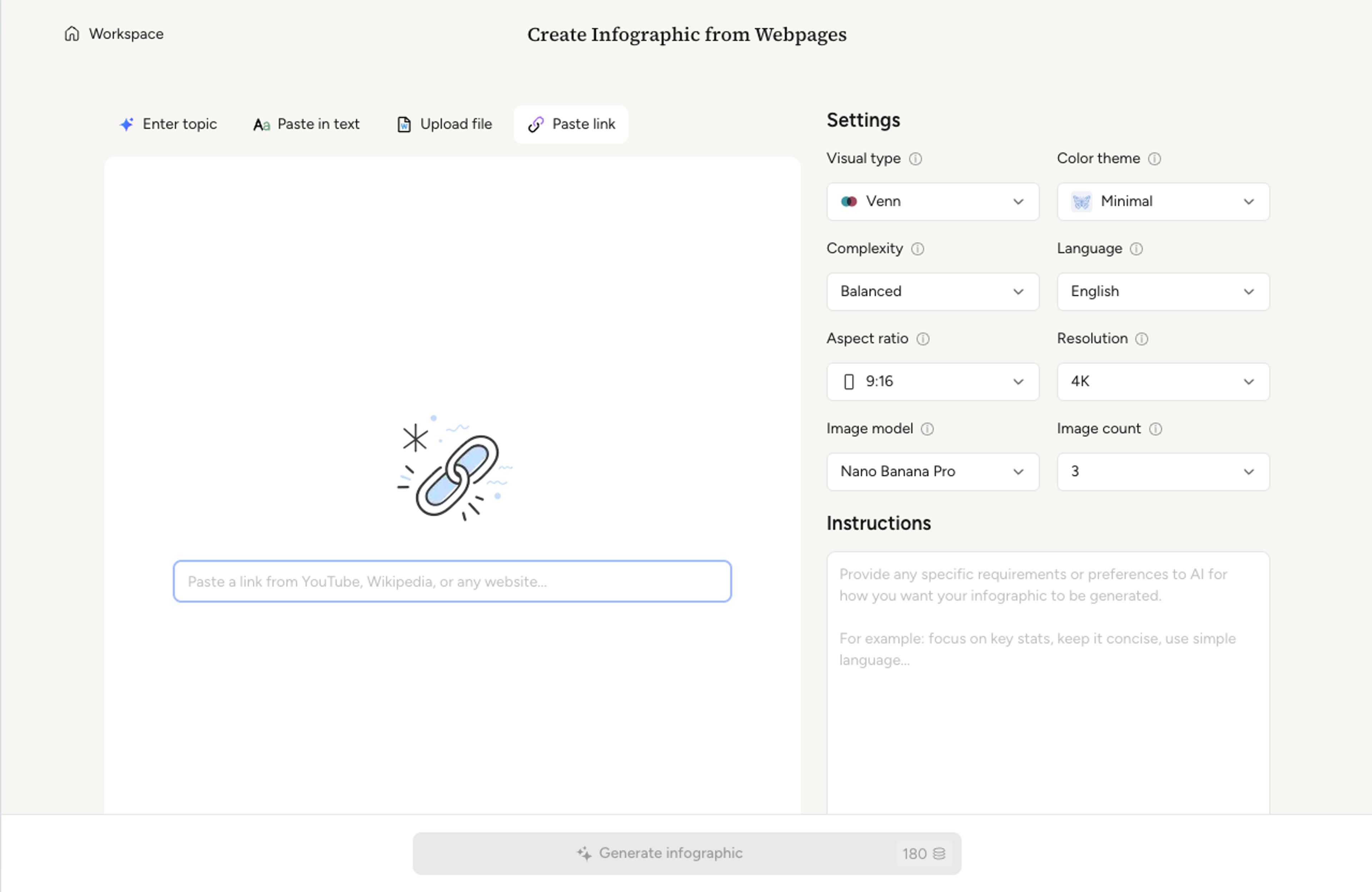
Ask for a figure, graphical abstract, method diagram, concept map, timeline, or classroom-friendly explanation.
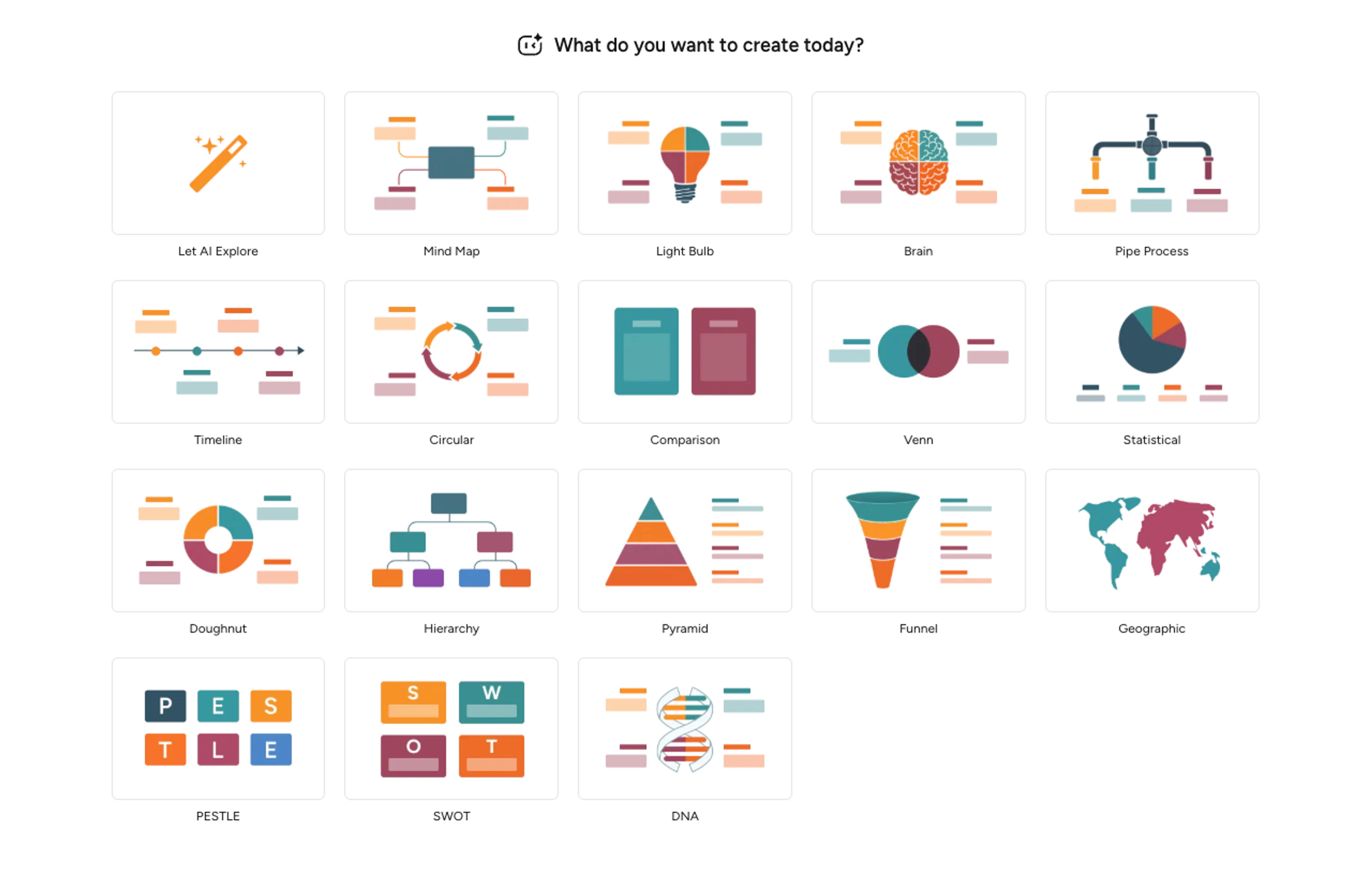
Infograph.me structures the source into labeled panels, captions, callouts, and readable visual hierarchy.
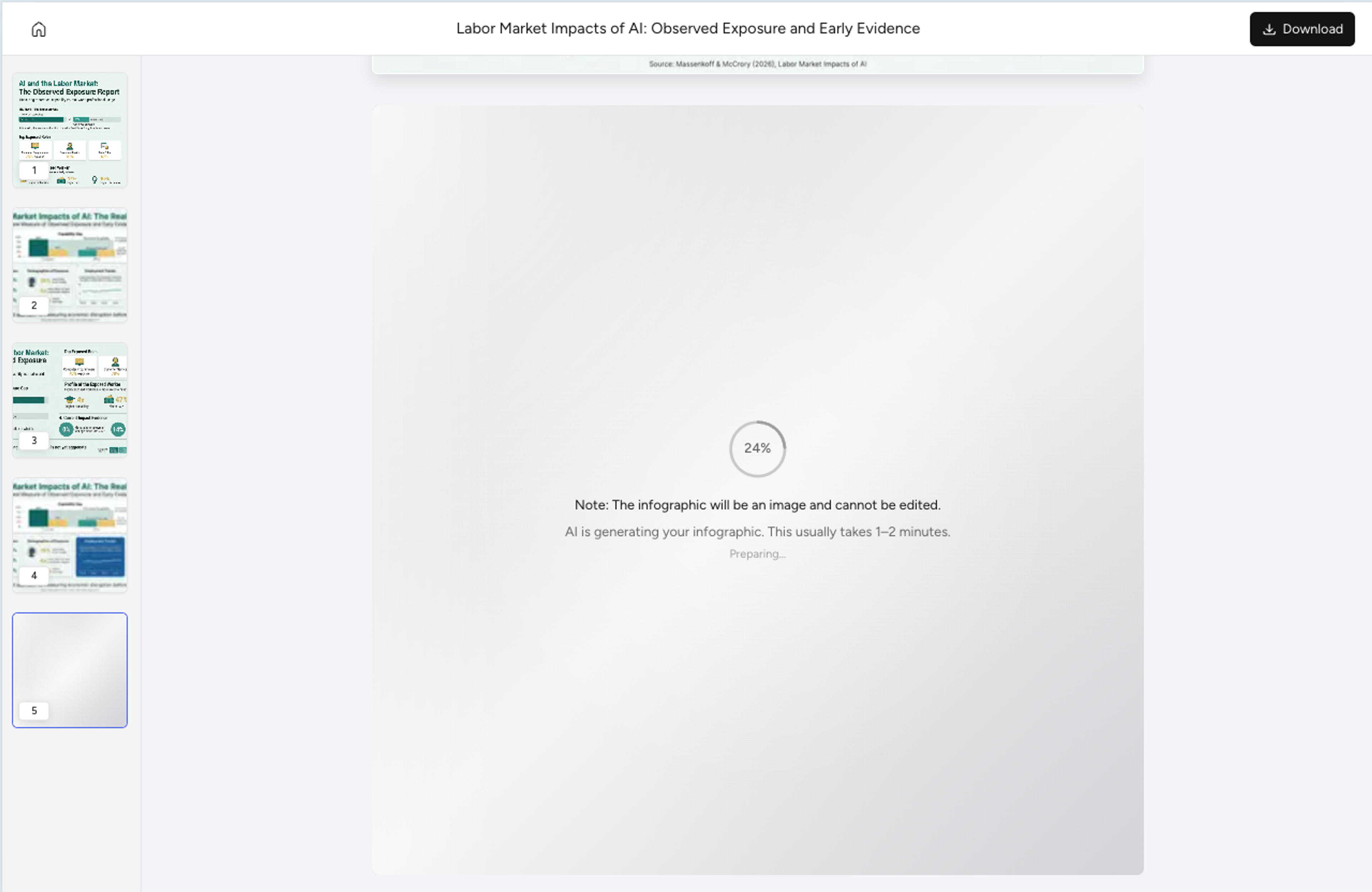
Use AI edits to improve labels, layout, and audience fit, then export the visual for your workflow.
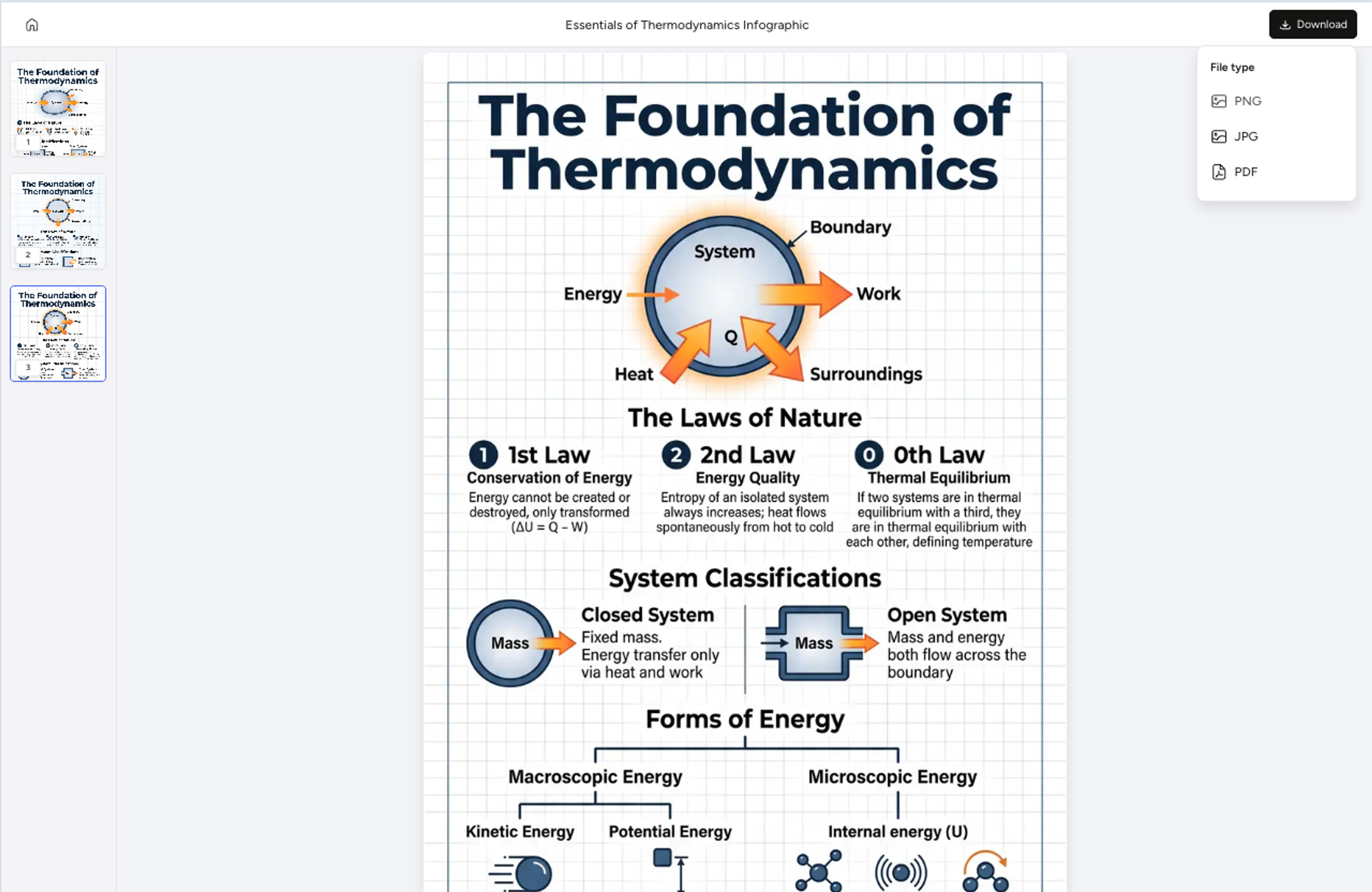
Use the same source-to-visual workflow for biology, graphical abstracts, research workflows, and classroom science.
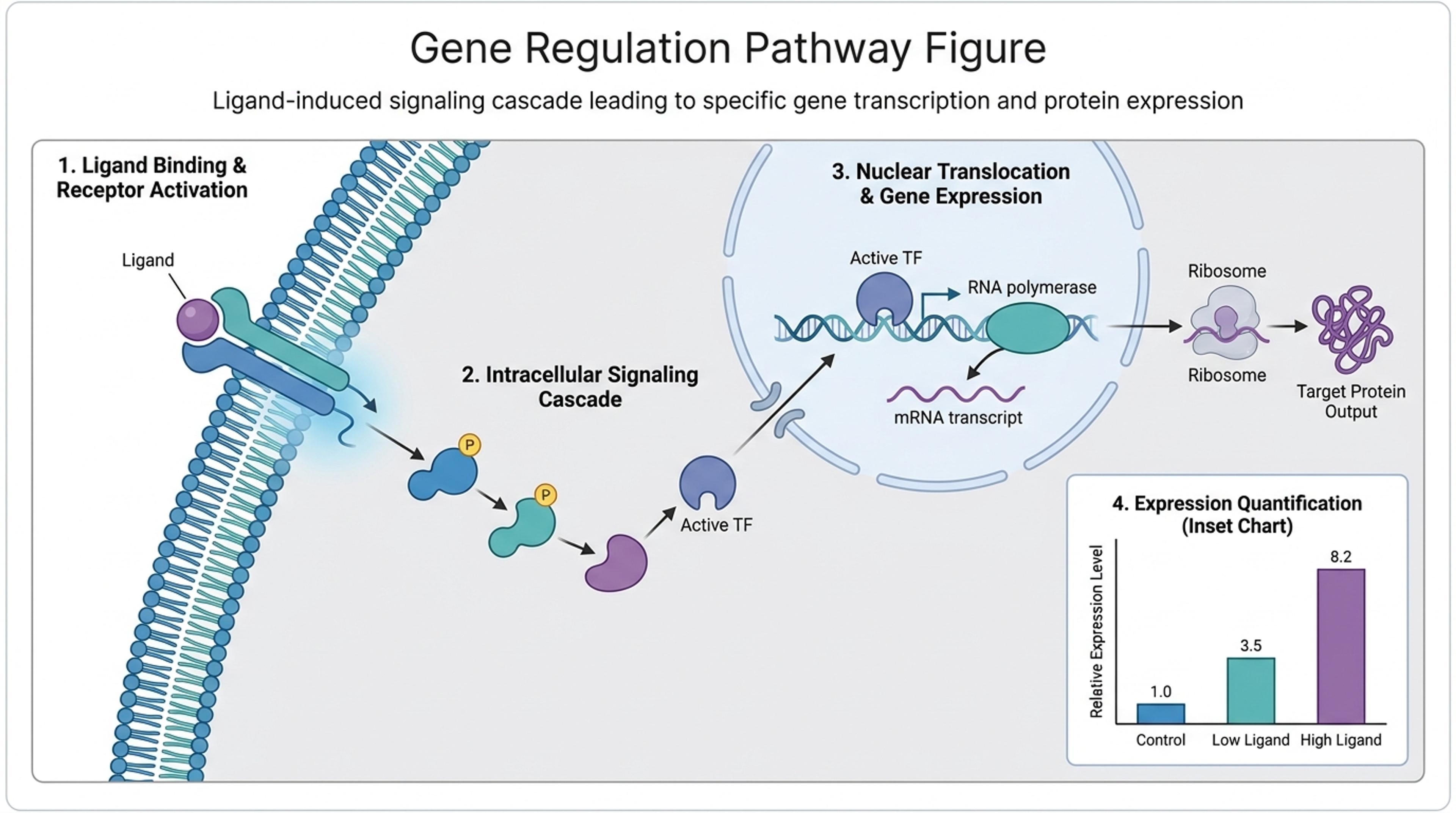
Turn a mechanism description into a labeled figure with pathway, transcription, and outcome panels.
Infograph.me focuses on readable scientific figures, research diagrams, classroom visuals, and academic communication.
Keep figures connected to the source claims, methods, and findings.
Summarize the central question, method, mechanism, and result.
Turn protocol sections into clear workflow figures.
Use panels and callouts to explain findings at a glance.
Refine wording and visual structure after the first draft.
Prepare visuals for papers, posters, slides, and teaching material.
You can generate a visual summary from paper sections, but it is usually best to focus on the main method, mechanism, or finding.
Yes. Paper-to-figure is a strong workflow for graphical abstract drafts.
Use your own judgment and follow your lab or institution policies when uploading unpublished research.
Yes. Ask AI to change labels, simplify structure, or adjust the visual emphasis.
Yes. Always verify scientific claims, labels, and relationships before submission.
Continue with adjacent Infograph.me pages for scientific figures, source-to-visual workflows, editing, and export.
Turn research notes, methods, data, and science topics into labeled scientific figure drafts with AI.
Generate clear scientific illustrations, concept diagrams, and explanation visuals from text, papers, links, and topics.
Create graphical abstract drafts from papers, abstracts, methods, findings, and research notes.
Turn research findings, methods, literature notes, and data into clear academic infographics.
Paste methods, abstracts, lesson text, or research notes and turn them into labeled scientific figure drafts.
Upload a paper, report, or lesson PDF and turn the source into a scientific figure, diagram, or graphical abstract draft.
Refine generated scientific figures with AI instructions for labels, layout, captions, hierarchy, and visual emphasis.
Prepare scientific figures for lectures, lab meetings, posters, and research presentations with editable slide workflows.
Turn papers, lab notes, links, text, and data into scientific figures, graphical abstracts, biology diagrams, and research visuals. AI Scientific Figure Maker | Built for research and education