

Start from a reference
Use a sketch, prior layout idea, or visual direction as a guide for the new figure.
Use a reference image, sketch, prior figure direction, or visual style note to guide an AI-generated scientific figure draft.
Drag and drop your paper, lab notes, lesson material, or document here or
Start from real research or teaching material and create visuals that are easier to explain, review, and share.
Use a sketch, prior layout idea, or visual direction as a guide for the new figure.
Combine the reference with text, notes, data, or a paper section so the figure has meaning.
Turn rough direction into a more readable scientific visual with labels and hierarchy.
Add papers, notes, text, data, links, or a topic so Infograph.me has the scientific context.
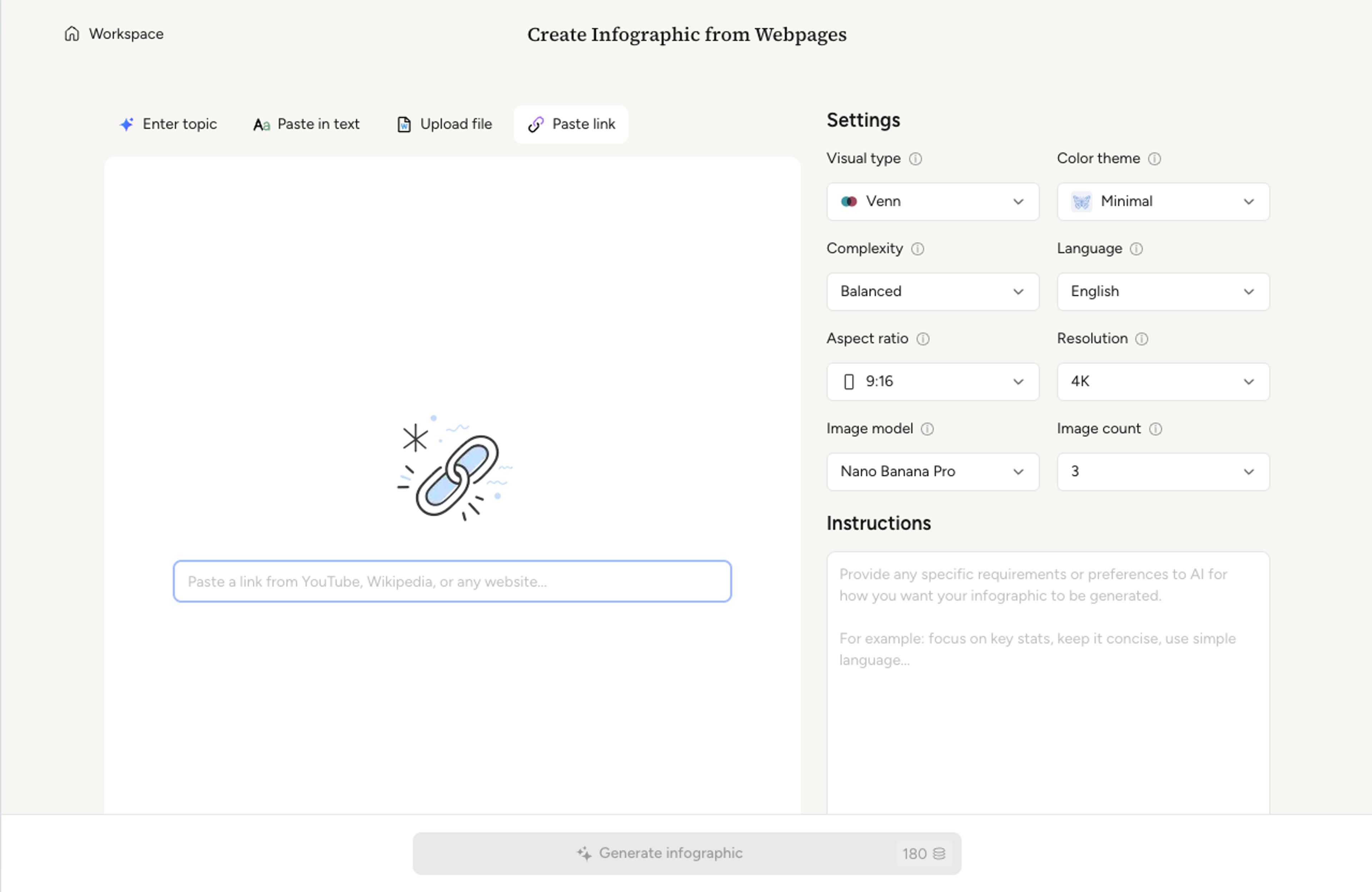
Ask for a figure, graphical abstract, method diagram, concept map, timeline, or classroom-friendly explanation.
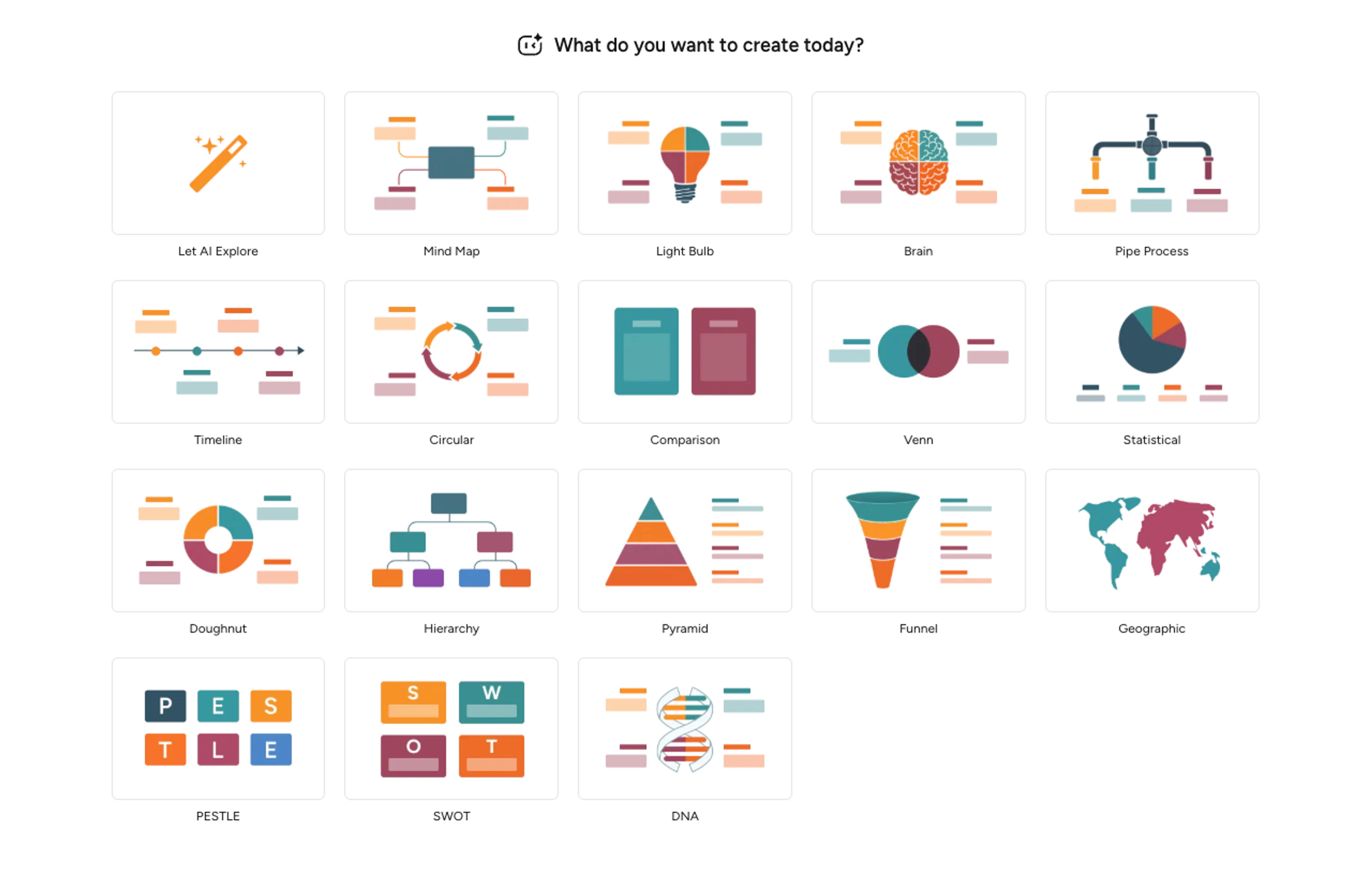
Infograph.me structures the source into labeled panels, captions, callouts, and readable visual hierarchy.
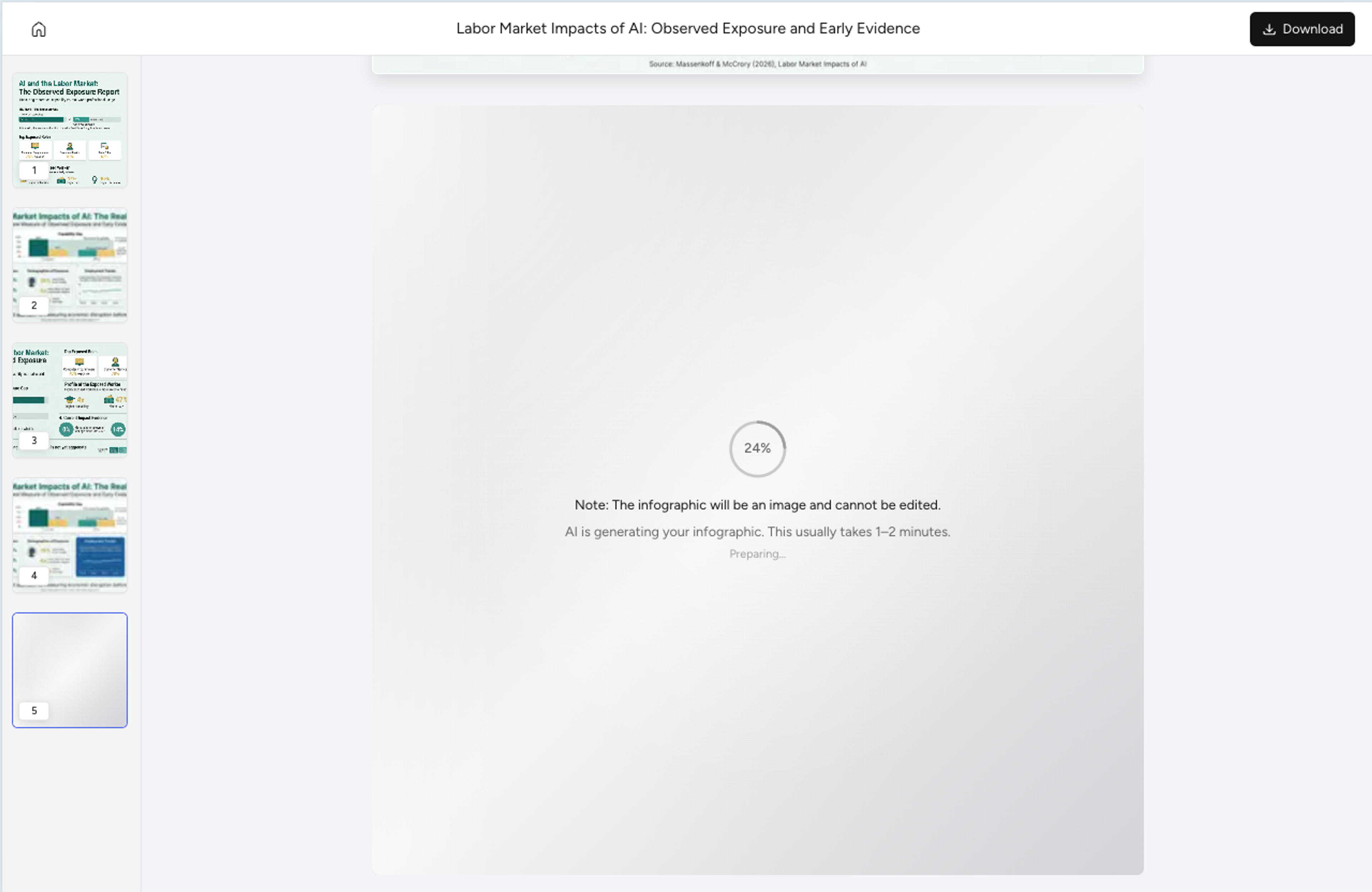
Use AI edits to improve labels, layout, and audience fit, then export the visual for your workflow.
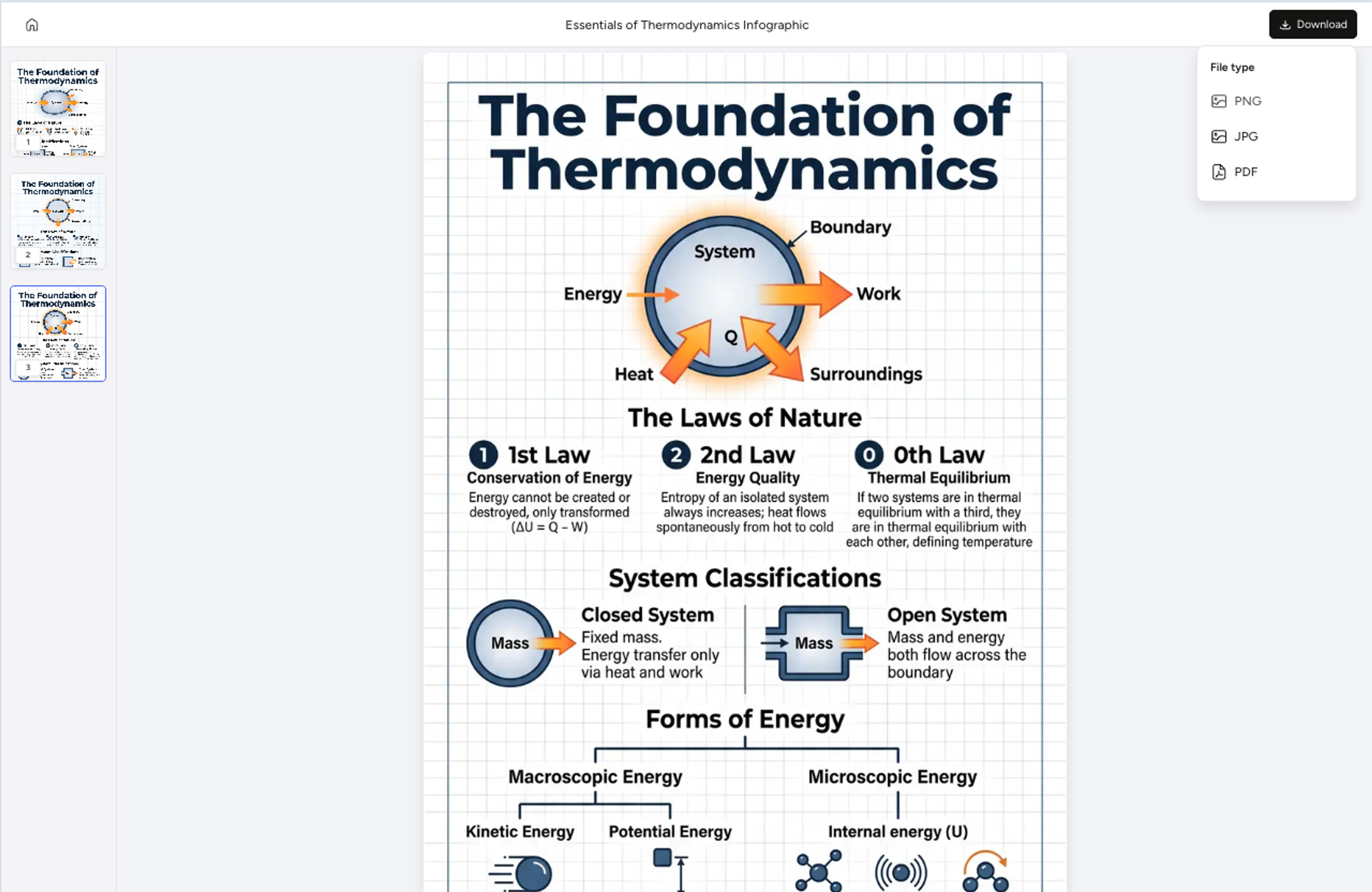
Use the same source-to-visual workflow for biology, graphical abstracts, research workflows, and classroom science.
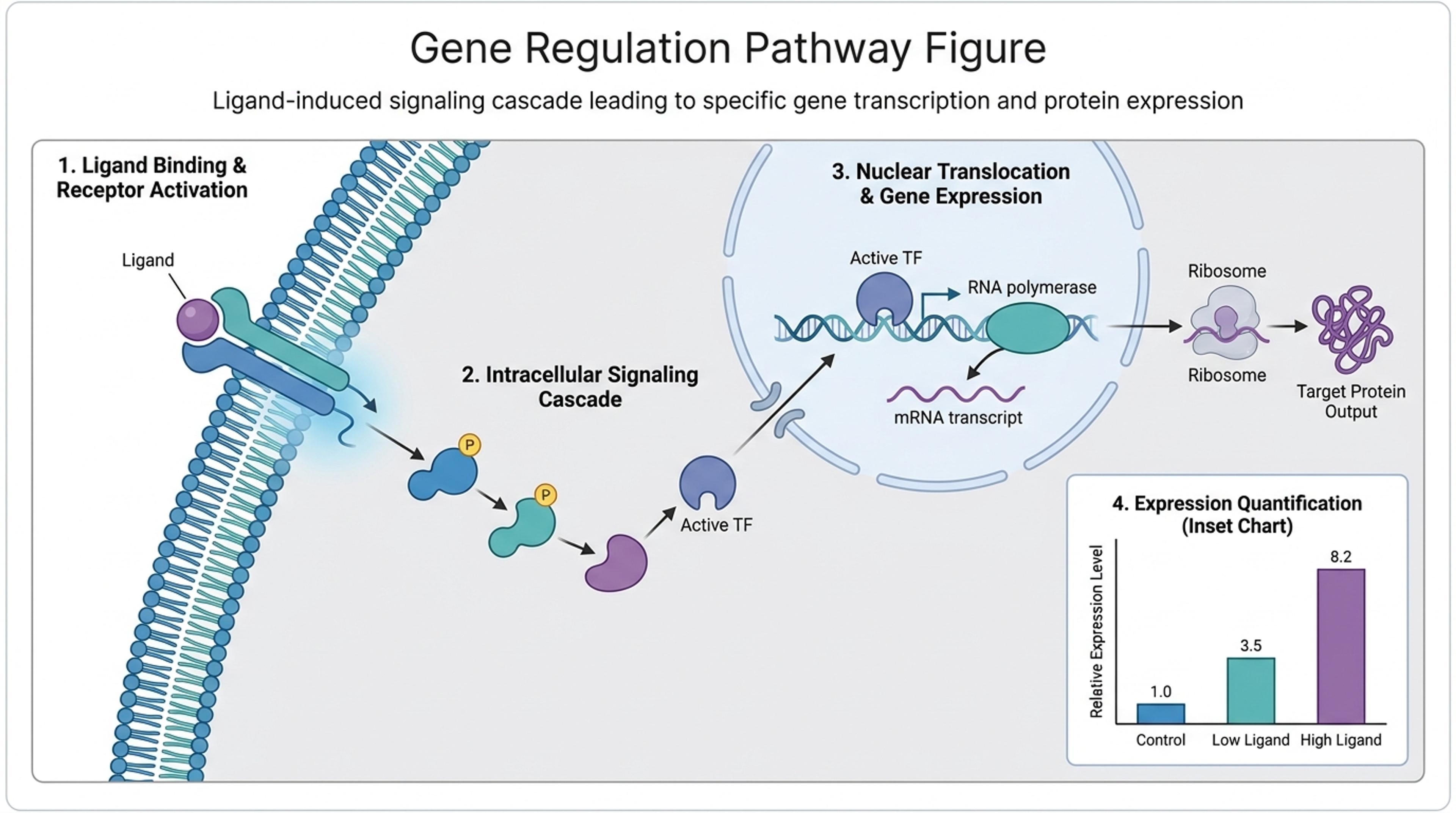
Turn a mechanism description into a labeled figure with pathway, transcription, and outcome panels.
Infograph.me focuses on readable scientific figures, research diagrams, classroom visuals, and academic communication.
Use visual examples to communicate layout and style direction.
Pair references with notes so the result is not just a style copy.
Turn rough diagrams into clearer presentation drafts.
Add readable callouts, headings, and captions around the visual structure.
Ask AI for a closer layout, simpler version, or different emphasis.
Prepare visuals for papers, posters, lectures, and lab reports.
A sketch, previous figure, layout direction, screenshot, or visual example can help guide the generated figure.
Yes. Add notes, paper sections, or labels so the figure reflects the science, not only the style.
Yes. Reference-to-figure is useful for turning rough figure direction into a clearer draft.
No. Use references for direction and create your own original figure based on your content and rights.
Yes. Ask AI to adjust labels, layout, clarity, and visual emphasis.
Continue with adjacent Infograph.me pages for scientific figures, source-to-visual workflows, editing, and export.
Turn research notes, methods, data, and science topics into labeled scientific figure drafts with AI.
Generate clear scientific illustrations, concept diagrams, and explanation visuals from text, papers, links, and topics.
Create graphical abstract drafts from papers, abstracts, methods, findings, and research notes.
Turn research findings, methods, literature notes, and data into clear academic infographics.
Paste methods, abstracts, lesson text, or research notes and turn them into labeled scientific figure drafts.
Upload a paper, report, or lesson PDF and turn the source into a scientific figure, diagram, or graphical abstract draft.
Refine generated scientific figures with AI instructions for labels, layout, captions, hierarchy, and visual emphasis.
Prepare scientific figures for lectures, lab meetings, posters, and research presentations with editable slide workflows.
Turn papers, lab notes, links, text, and data into scientific figures, graphical abstracts, biology diagrams, and research visuals. AI Scientific Figure Maker | Built for research and education