

Organize Organelles and Labels
Create visual groupings for nucleus, mitochondria, membrane, cytoplasm, chloroplasts, and other cell parts with readable labels.
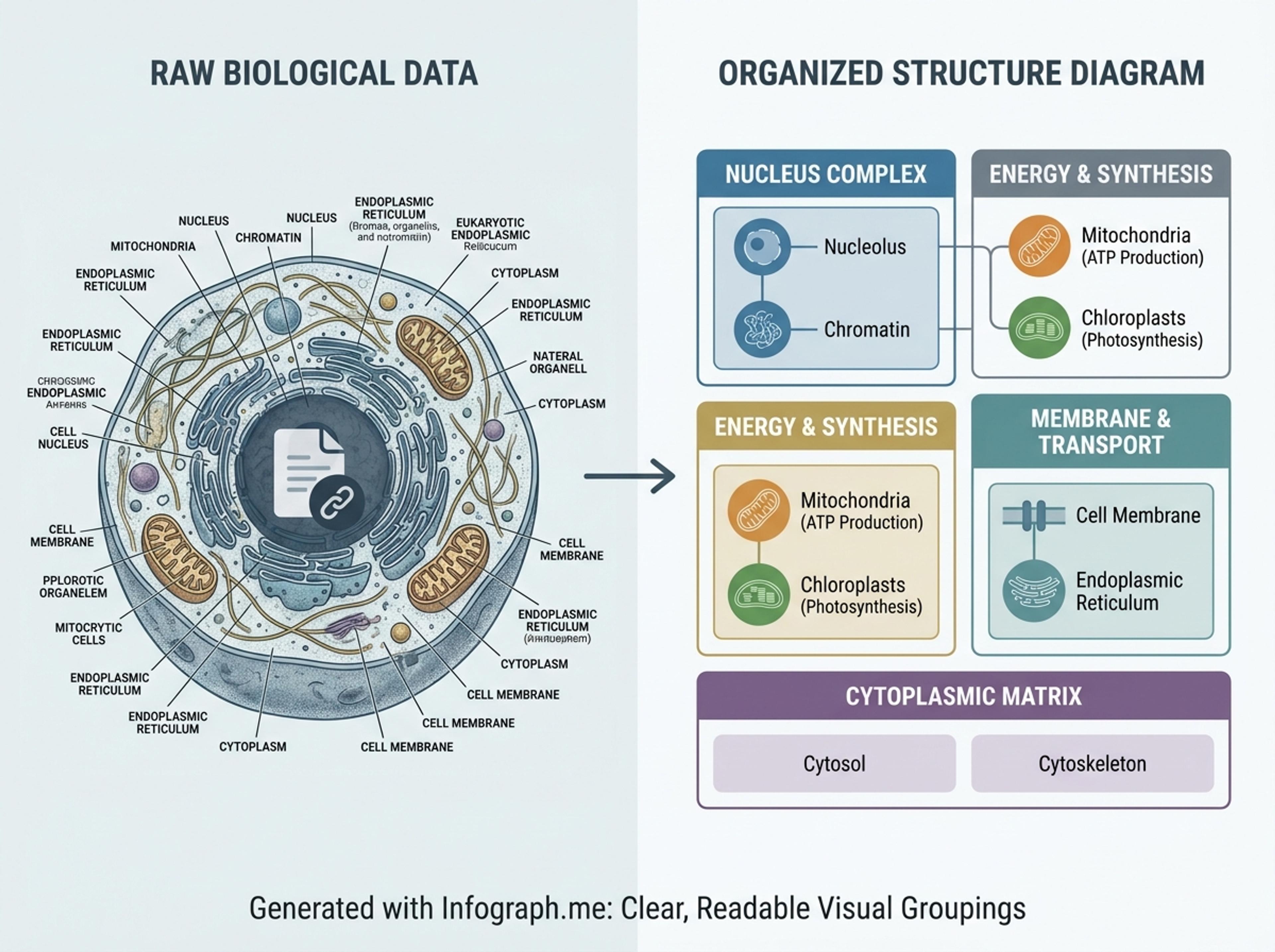
Turn your biology notes, research papers, and textbook PDFs into clear, accurate cell structure diagrams with Infograph.
Turn biology notes, textbook excerpts, and research material into cell structure diagrams that match the audience and level of detail.
Create visual groupings for nucleus, mitochondria, membrane, cytoplasm, chloroplasts, and other cell parts with readable labels.
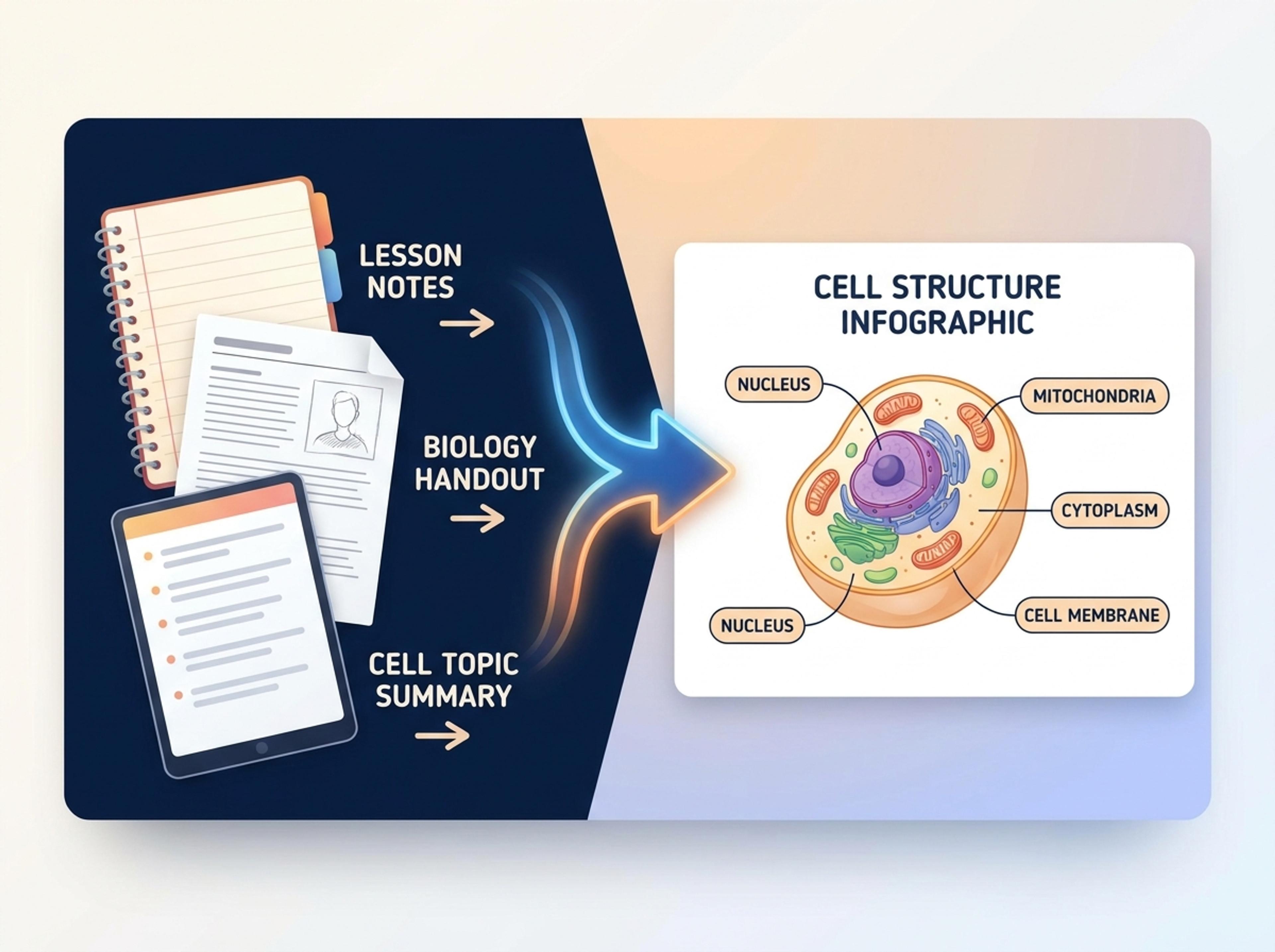
Paste a lesson outline, upload a biology handout, or describe the cell topic so the result reflects your source material.
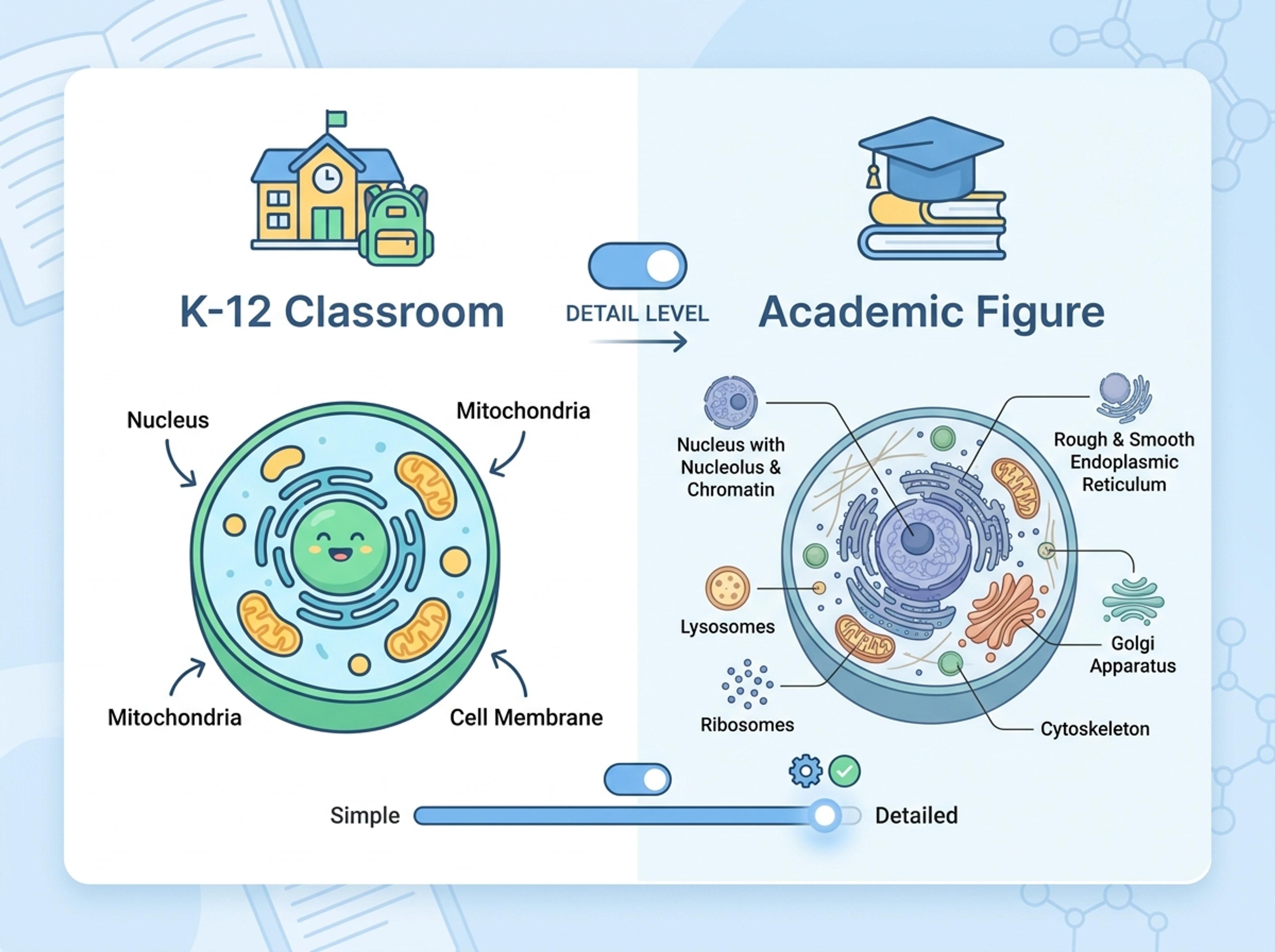
Use a friendly classroom style for students or a more formal academic style for university biology and research communication.
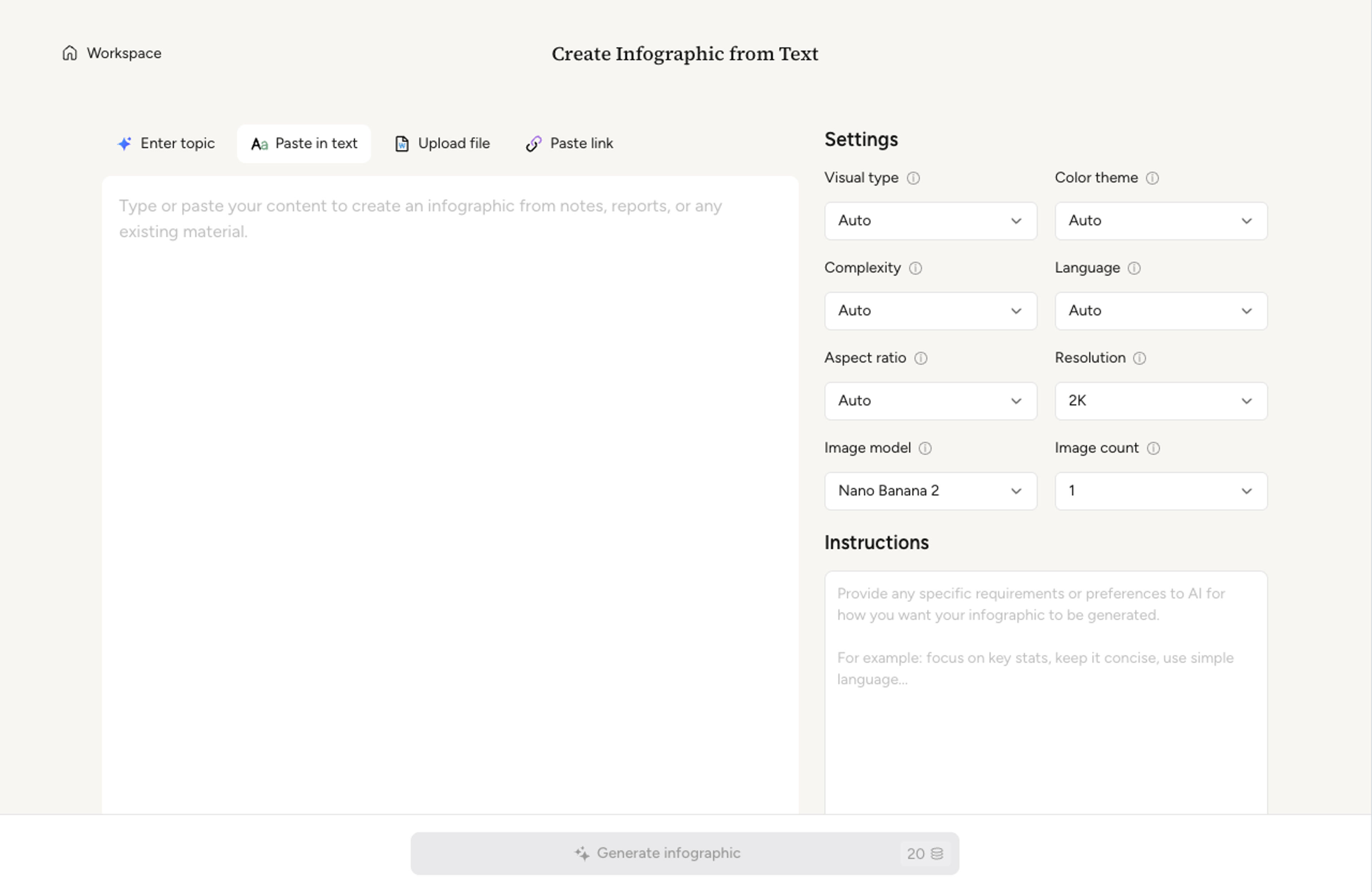
Paste notes, upload a textbook excerpt, or describe the cell type, organelles, and concept you want to visualize.
Decide whether the output should be a classroom poster, study guide, academic figure, or quick concept explainer.
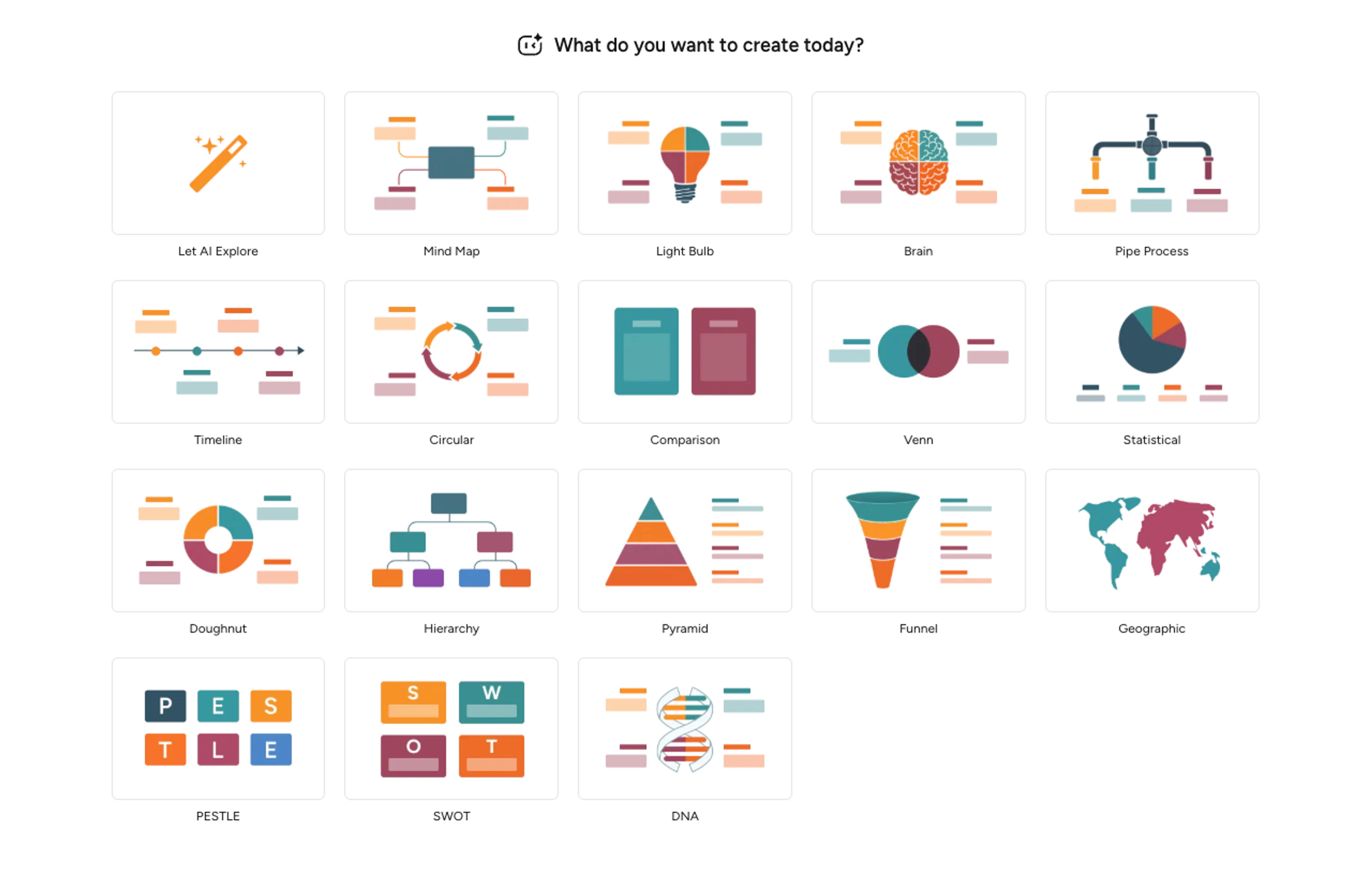
Infograph arranges the main cell parts, labels, relationships, and supporting notes into a clear visual structure.
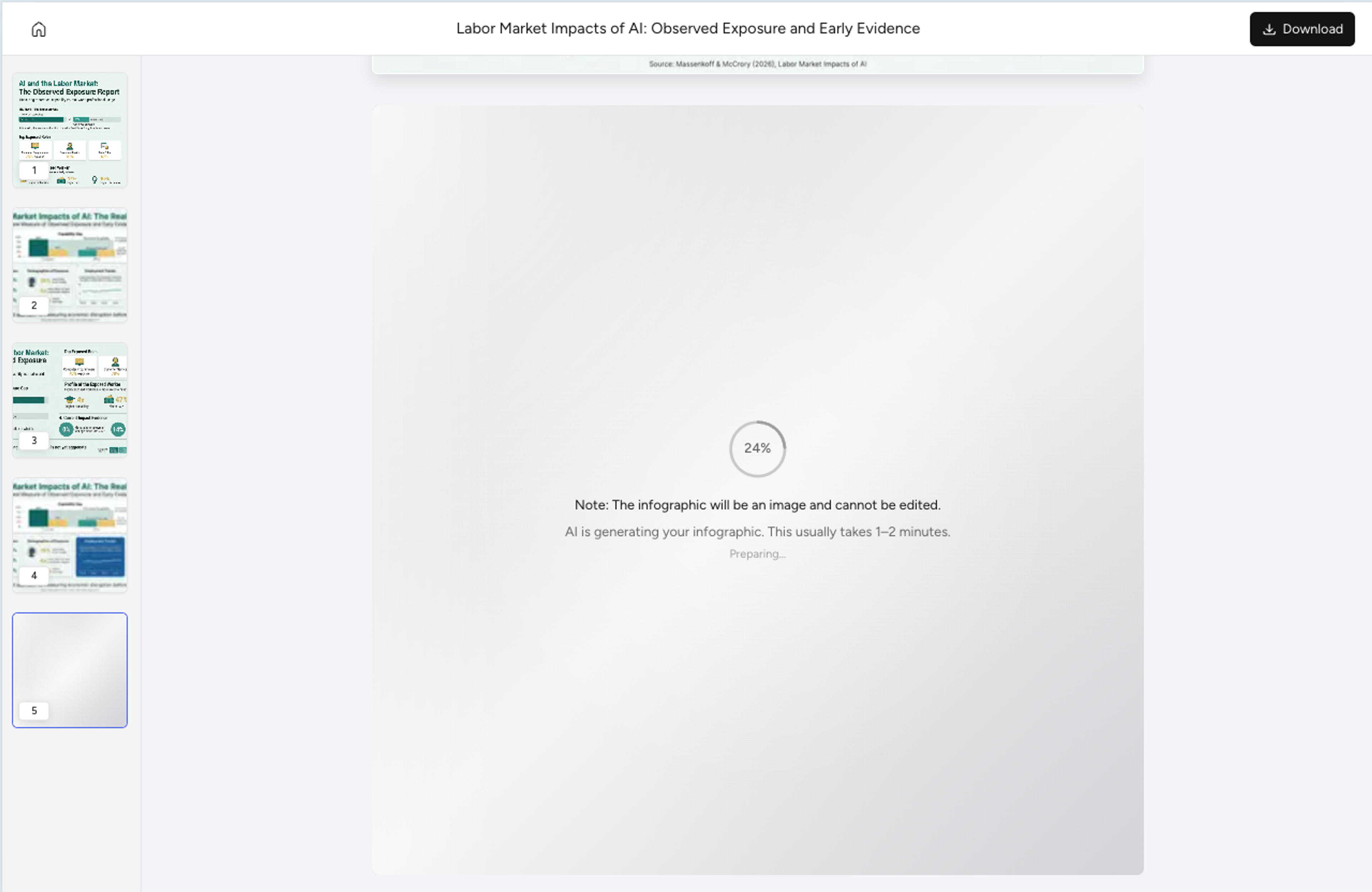
Ask for simpler labels, more scientific detail, or a different emphasis, then export the result for lessons or reports.
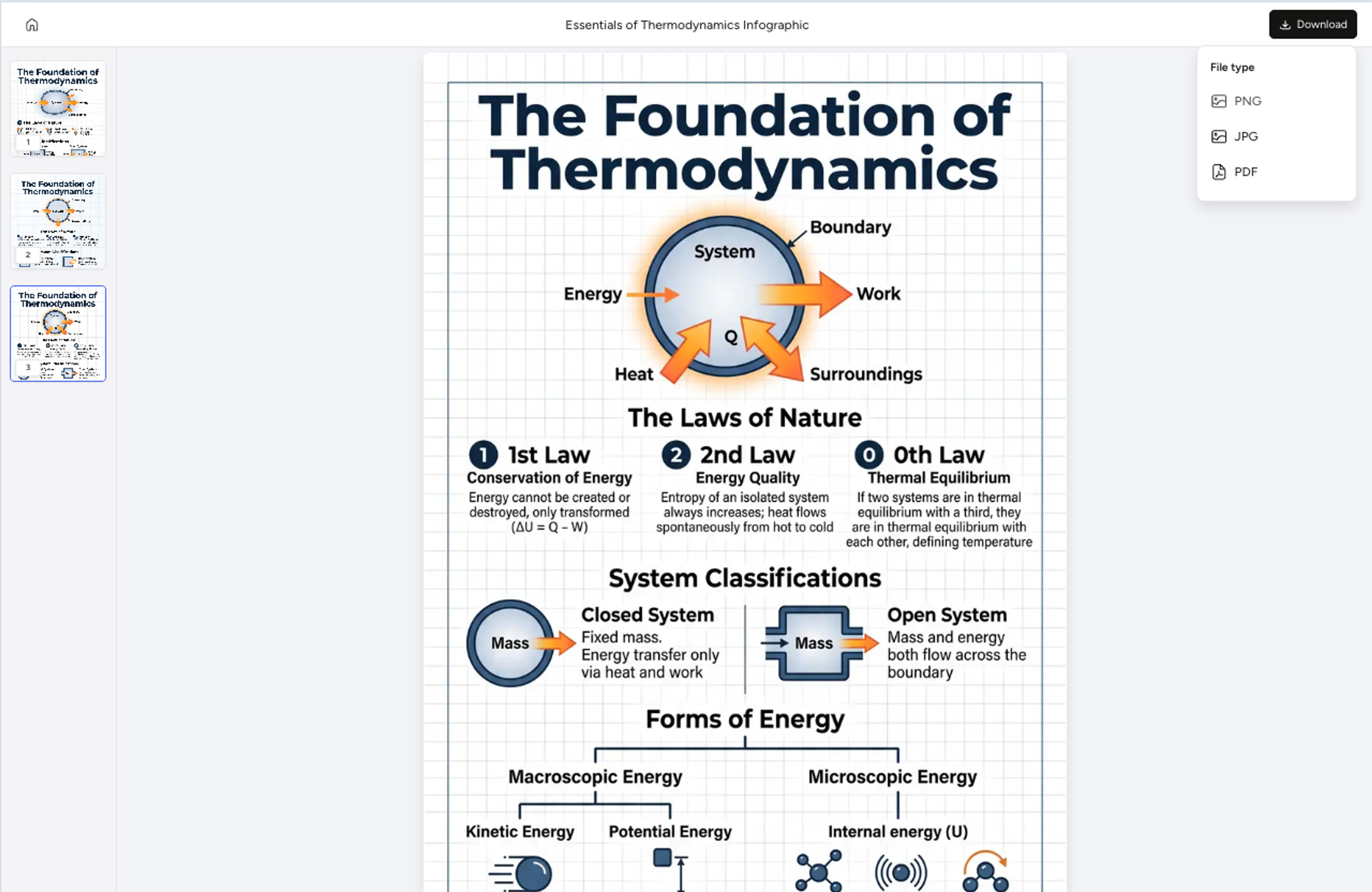
Explore cell structure results for classrooms, research, biotech communication, and science strategy contexts.
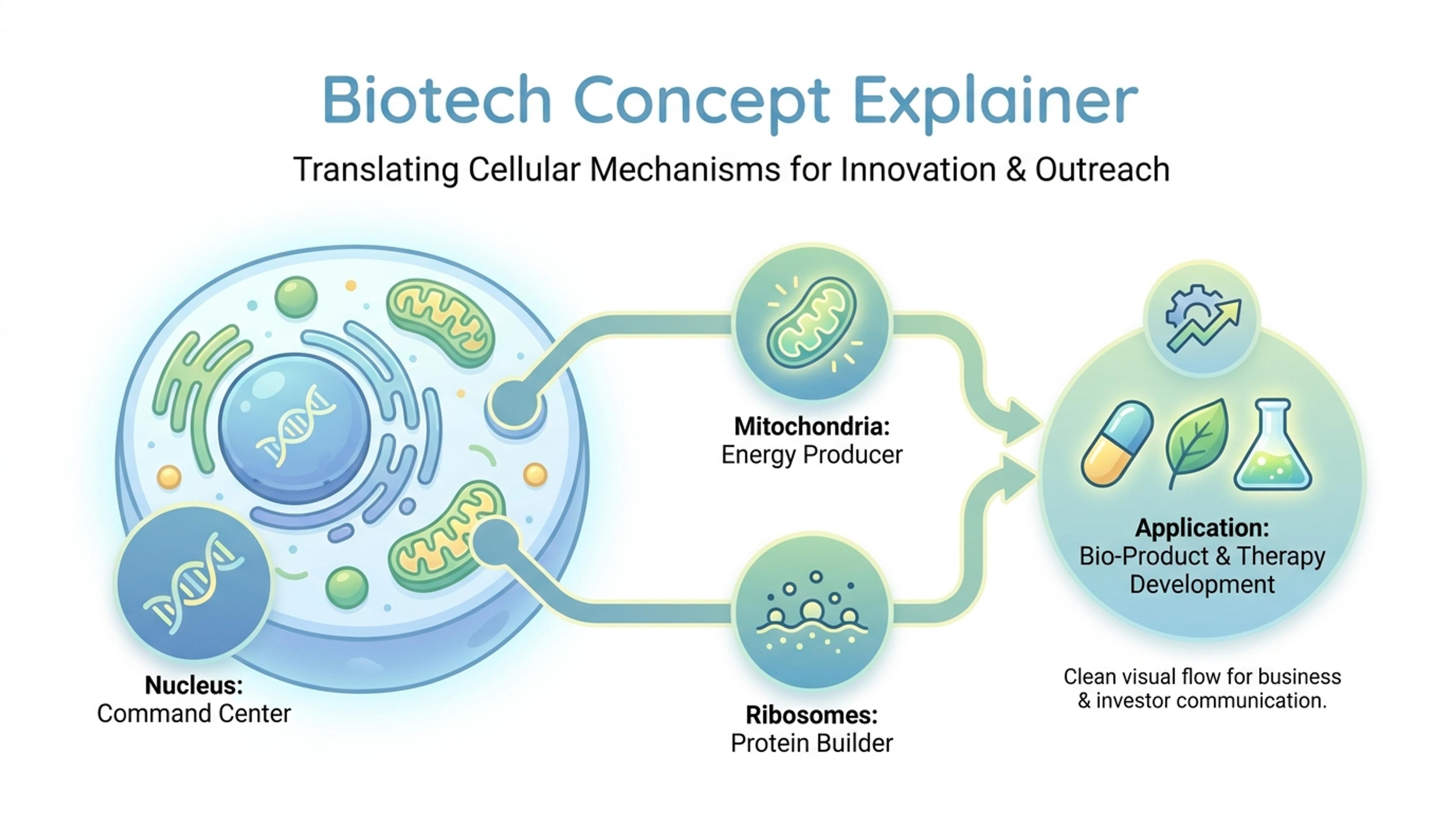
Translate a biology concept into a clear visual for product, investor, or outreach conversations.
Make biology concepts easier to scan, compare, teach, and explain.
Highlight organelles and functions with readable hierarchy.
Use lesson notes, biology documents, or research text as the starting point.
Make classroom diagrams colorful, approachable, and easy to remember.
Shift toward more formal explanations for university and research contexts.
Revise labels, simplify wording, or add supporting notes after generation.
Download diagrams for handouts, decks, study guides, and reports.
Yes. You can generate labeled visuals for cell parts, organelles, functions, and related biology concepts.
Yes. Education examples should be colorful, simplified, and classroom-friendly for K-12 students.
Yes. Academic examples can use more formal labels and higher detail for university, graduate, or research communication.
You can use biology notes, textbook excerpts, PDFs, research summaries, or a plain-language topic description.
Yes. You can ask Infograph to simplify, add detail, change the emphasis, or revise labels after generation.
Yes. Export the visual for classroom handouts, presentations, study guides, reports, and web content.
Explore related Infograph tools for scientific figures, classroom visuals, biology diagrams, and source-based summaries.
Turn methods sections, results tables, and lab notes into publication-ready scientific figures without rebuilding diagrams in vector software.
Use Infograph to turn your research papers, data, and notes into professional scientific figures and educational graphics instantly.
Turn complex research, raw data, and academic papers into clear science graphs with Infograph's AI generator.
Transform your research papers, complex data, and notes into clear, publication-ready visuals with Infograph.
Paste an article, transcript, or batch of notes and Infograph turns the text into a polished infographic with hierarchy, callouts, and chart treatments.
Upload a research paper, white paper, or report PDF and Infograph extracts the structure to render a clean infographic — no copy-paste between tools.
Turn papers, lab notes, links, text, and data into scientific figures, graphical abstracts, biology diagrams, and research visuals. AI Scientific Figure Maker | Built for research and education